
Currently Empty: $0.00

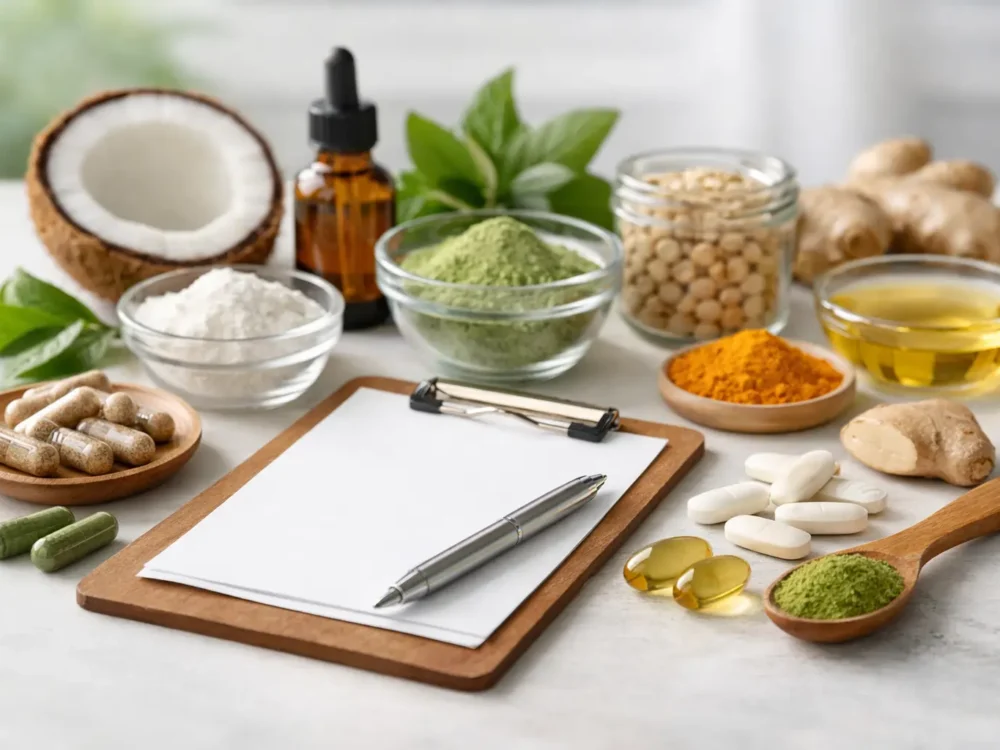
A supplement can look clean on the front label and still get messy fast once you turn the bottle around. If you want a clean supplement ingredients checklist that actually helps you shop smarter, start with the part brands often hope you skim – the full ingredient panel. That is where you find the difference between a straightforward daily wellness product and one padded with fillers, dyes, or unnecessary extras.
For busy routines, clean matters because consistency matters. The easier a product is to understand, the easier it is to trust, use, and repurchase with confidence. That does not mean every unfamiliar ingredient is bad, and it does not mean the shortest label always wins. It means the formula should make sense for the format, the function, and your goals.
What a clean supplement ingredients checklist should actually do
A good checklist is not about chasing trendy buzzwords. It is about helping you answer three simple questions before you buy: What is the active ingredient, what else is in here, and why is each added ingredient necessary?
That matters whether you are choosing softgels for convenience, capsules for a no-fuss daily routine, or effervescent tablets for hydration and taste. Different formats need different supporting ingredients. A clean electrolyte tablet, for example, may need acids, minerals, and flavor support to dissolve well and taste good. A clean softgel may need a capsule shell and carrier oil. The goal is not zero added ingredients. The goal is justified ingredients.
The clean supplement ingredients checklist to use before checkout
Start with the active ingredient. It should be clearly named, and ideally the amount should be easy to find. If you are buying black seed oil, apple cider vinegar tablets, electrolyte formulas, or plant-based capsules, the front promise should match the supplement facts panel. Vague wording is your first red flag.
Next, check whether the formula is remedy-forward or label-forward. Remedy-forward products put the functional ingredient at the center. Label-forward products lean heavily on buzzwords while hiding a weak dose or a cluttered formula. If the marketing talks more about lifestyle than what is actually inside, pause.
Then look at the inactive ingredients. This is where your clean supplement ingredients checklist earns its place. Ask whether the product includes unnecessary artificial colors, synthetic dyes, excessive sweeteners, or preservatives that do not fit the product type. For many shoppers, this is also where vegan, non-GMO, cruelty-free, natural, or organic preferences come into play.
Finally, look for clarity around sourcing and purity cues. Clean-label shoppers are not just buying ingredients. They are buying confidence in how those ingredients were selected, processed, and packaged.
Ingredients worth questioning on a label
Not every additive is automatically a problem, but some deserve a closer look. Artificial colors are an easy one. A bright tablet may look appealing, but if color adds nothing to performance, it is fair to ask why it is there.
Added sugars and heavy sweetening systems are another area to watch, especially in gummies, flavored powders, and fizzy formats. Some sweetness can improve compliance, and that trade-off may be worth it for people who struggle with taste. But if the formula starts to read like a candy label, that is usually a sign the product is doing too much.
Fillers and bulking agents also deserve scrutiny. Some are standard and harmless in manufacturing, especially in capsules and tablets. The issue is when they dominate the formula or make it harder to tell how much active ingredient you are really getting. A long string of binders, anti-caking agents, and texture enhancers may not mean the product is low quality, but it does mean you should look more carefully.
Proprietary blends can be another weak point. They are not always a dealbreaker, but they make comparison harder. If a brand wants you to believe in a formula, transparency helps.
Clean does not mean ingredient-free
This is where shoppers often get tripped up. A clean label is not the same as an empty label. Supplements need structure. Capsules need shells. Softgels need a delivery system. Effervescents need ingredients that help them dissolve, stabilize, and taste acceptable.
That is why context matters. Citric acid in an effervescent tablet may be perfectly reasonable. A capsule shell made from plant cellulose may be exactly what a vegan shopper wants. Carrier oils can support fat-soluble ingredients and make softgels practical for daily use.
The smarter question is whether each ingredient has a job. If it supports stability, absorption, taste, or format without cluttering the formula, it may belong there. If it seems decorative, excessive, or hard to justify, it probably does not.
How to read clean-label cues without getting fooled
Clean-label language can be helpful, but it can also be overused. Terms like natural, pure, and premium sound strong, yet they are not equally specific. More concrete claims such as vegan, cruelty-free, non-GMO, or organic usually tell you more, especially when they align with the actual ingredient panel.
Still, those claims are only part of the picture. A non-GMO product can still contain unnecessary additives. An organic ingredient can still sit inside an overcomplicated formula. A vegan capsule can still be packed with sweeteners and flavor systems you may not want.
The best labels combine meaningful claims with straightforward formulas. That is the sweet spot for shoppers who want both performance and peace of mind.
A practical checklist for different supplement formats
Format changes what clean looks like. If you are shopping capsules, the ingredient panel should usually stay simple. You want the active ingredient, the capsule material, and maybe a small number of standard manufacturing aids.
With softgels, expect a few more supporting ingredients. Gelatin-free or vegan softgels may use alternative shell materials, and oil-based actives may need carrier support. What matters is whether the formula still feels focused and easy to understand.
Effervescent tablets are a little different. They often need acids, bases, flavors, and sweeteners to create a drinkable experience. For hydration products especially, convenience can be a real advantage. If a format helps you stay consistent, that is a practical benefit. The trade-off is that you should read more carefully to make sure convenience is not being used as cover for a bloated formula.
How this checklist helps you shop better, not just stricter
A clean supplement ingredients checklist should not turn buying into a purity contest. It should help you make better comparisons in less time. That is especially useful if you are shopping online, where you cannot hold the bottle first and the front-of-pack claims do a lot of the selling.
For most people, the best product is not the one with the most aggressive clean-marketing language. It is the one that fits their routine, supports their goals, and keeps the formula as simple as the format allows. If you work out often, a clean hydration product you will actually use may beat a more minimal option that sits unopened in a drawer. If you prefer softgels over liquid oils, convenience may improve consistency enough to matter.
That is the real test. Clean should support daily use, not complicate it.
What to look for before you click buy
When comparing products, slow down for one minute and scan for alignment. Does the ingredient list match the claimed benefit? Are the purity cues specific? Does the format justify the added ingredients? Are there obvious fillers, dyes, or sweeteners that feel unnecessary?
If the answer looks good across those points, you are probably looking at a cleaner formula. If not, keep shopping. In a crowded supplement market, clarity is a quality signal.
Brands that prioritize straightforward formulations, modern convenience, and visible purity markers tend to make that process easier. That is one reason shoppers gravitate toward wellness brands like Sterling Nutrition – not because every product can be stripped to three ingredients, but because clean, practical daily use is built into the decision from the start.
The best supplement label should not feel like a puzzle. If you can understand what is inside, why it is there, and how it fits your routine, you are already buying smarter.